The 6 Stages of Marketing Evolution (And Why Most Businesses Are Stuck in the Past)
From Henry Ford to TikTok, marketing has moved from simple production to psychological prediction. Explore 6 eras through cases like Haier and Nokia to understand why the 'Hard Sell' has had its day.

Are You Still Marketing Like It’s 1920? Marketing is not a static discipline. It evolves as society evolves. Historically, business was much more focused on a production and product orientation. If you look at the early stages of industrial development, companies were obsessed with producing large quantities of goods to meet growing demand. The assumption was simple: if you produce goods efficiently and at a lower cost, people will buy them.
As markets became more competitive and customers became more sophisticated, companies realised that a product orientation alone wasn’t enough. Just making a good product didn’t guarantee success.
If you look at the history of business, we can identify six distinct eras. Understanding which era your business (or the business you are studying) operates in is the first step to fixing its strategy.
The Production Era (until 1920s)
The era of "If we build it, they will come." In the early days of the Industrial Revolution, demand exceeded supply. Companies didn't need to "market" anything; they just needed to produce enough to keep up.
Henry Ford’s famous quote about the Model T captures this mindset perfectly: "You can have any colour as long as it’s black." The focus was entirely on the product and how to produce it at scale, not on what the customer actually wanted (which might have been red!).

Much like the Model T, the "Flying Pigeon" (PA-02) Bicyle was the definitive mode of transport for millions. It was sturdy, black, and standardised. For decades, the factory focus was purely on output volume to meet the nation's needs, rather than adapting to consumer style preferences.
The Product Era (1920s - 1940s)
The era of "Quality is King." As competition grew, companies started to realise that cheap mass production wasn't enough. They pivoted to obsessing over quality.
This is a dangerous stage. Theodore Levitt famously called this Marketing Myopia. Companies fall in love with their product and forget the customer's need. They assume customers want a "better drill," when the customer actually just wants a "hole in the wall."
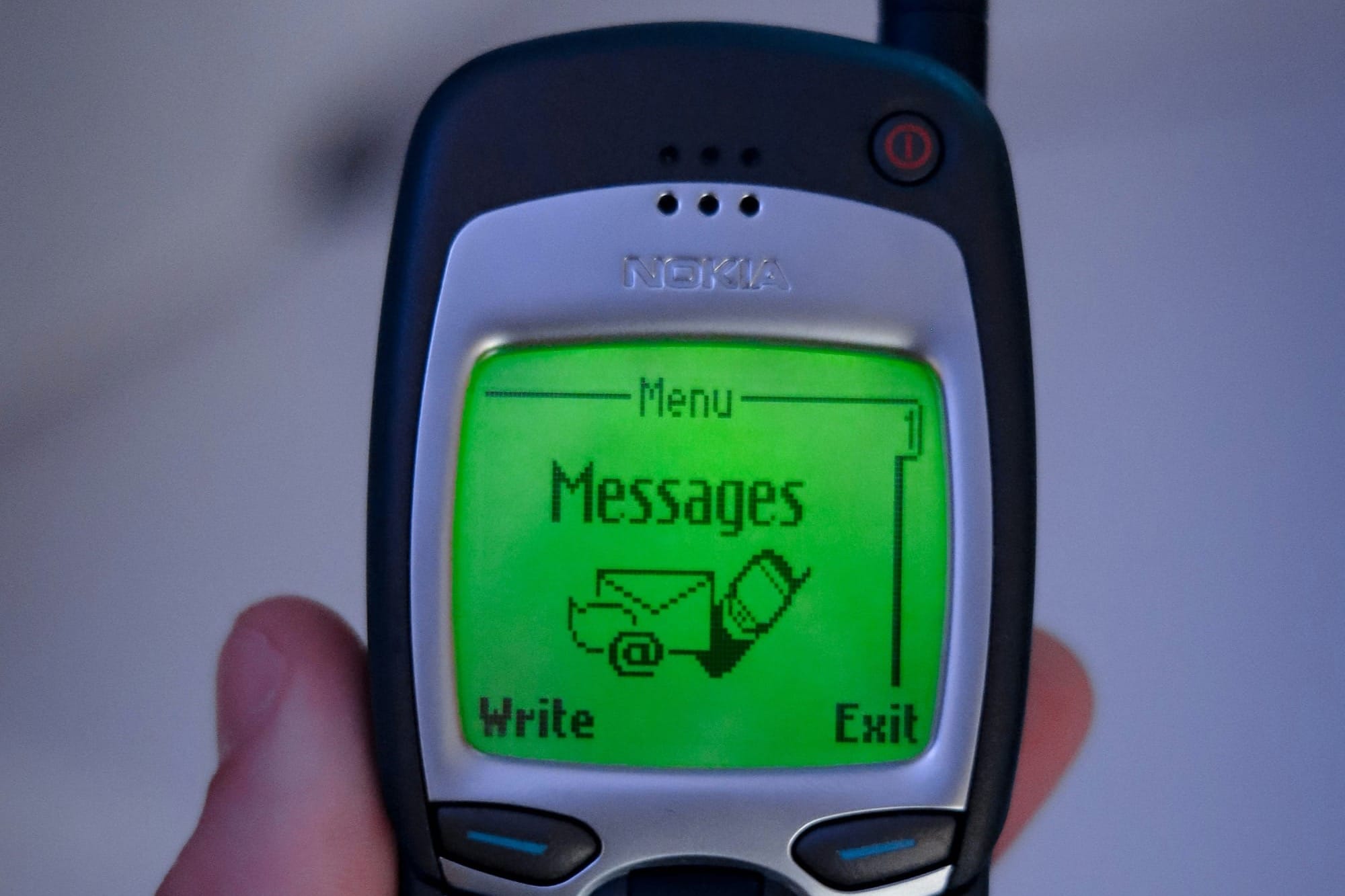
In the late 2000s, Nokia was still obsessing over building the most durable, high-quality mobile phone (the product). Meanwhile, Apple realised customers didn't care about "indestructible" phones; they wanted a software experience. Nokia had the "best product," but they missed the market shift.
Kodak invented the digital camera but refused to market it because they were obsessed with the quality of their film. They focused on the product (film) rather than the customer need (memories).
The Selling Era (1950s - 1960s)
The era of the "Hard Sell." By the mid-20th century, production capacity hit an all-time high. Suddenly, companies had a problem they hadn't faced before: Surplus. Supply now exceeded demand. "Sell what we have. Use aggression and persuasion."
In this era, the goal was to take the surplus goods and "push" them onto customers using aggressive sales techniques. While this increased sales in the short term, it rarely led to long-term loyalty. Think of the classic encyclopaedia salesman or, in the UK, the aggressive "double glazing" sales tactics of the 80s and 90s.
In many developing markets today, you still see this in the form of aggressive gym membership or real estate flyer distribution on street corners. The focus isn't on your fitness goals; it's purely on closing the transaction to clear their inventory.
The Marketing Era (1970s - 1990s)
The Pivotal Shift: From "Selling" to "Listening" This is the turning point in business history. In the previous eras, the focus was internal: What can we make? What do we have in stock? But in the Marketing Era, the focus shifted externally. Companies realised that it is far cheaper to make what people want than to try and sell what people don’t want.
The "Marketing Concept". The real turning point came with the development of the marketing concept. This philosophy places the customer (not the product or the factory) at the centre of all business activities. Instead of asking "How do we sell this?", companies began to ask "What does the consumer actually need?" This is known as Market Orientation. Success no longer depended on aggressive sales tactics, but on understanding the customer’s desires, wants, and preferences better than the competitors could.
It wasn't just a philosophical shift; it was a scientific one. Academics[1] note that during this period, marketing evolved into a 'Decision Science'. Companies stopped relying on gut instinct and began using quantitative techniques to structure their understanding of the market. They didn't just listen; they began to measure.
The Automotive Shift: Toyota vs. The Giants (The Oil Crisis)

In the 1970s, American manufacturers (GM, Ford) were still stuck in the Production/Product mindset, churning out massive, gas-guzzling muscle cars because "that's what they made."
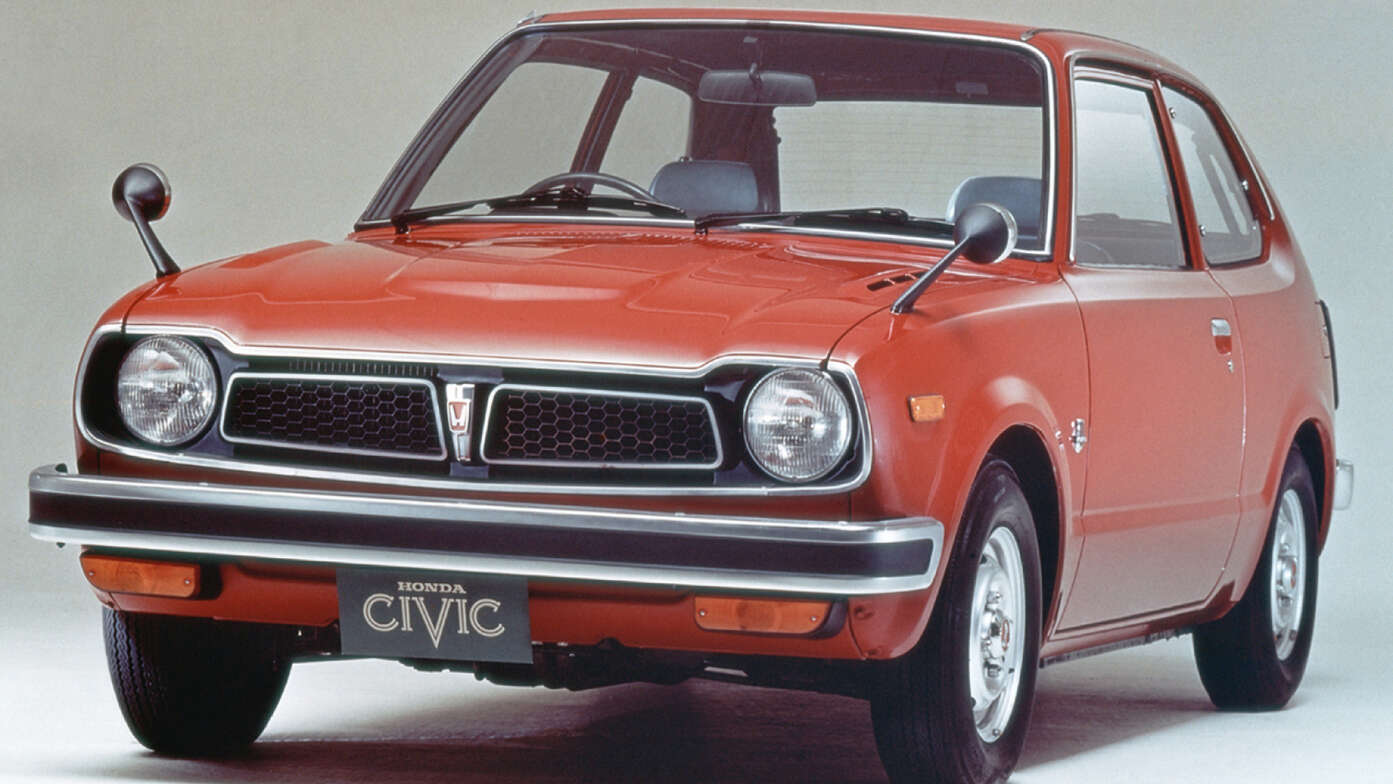
Toyota and Honda were listening to the market. They recognised a growing consumer pain point: rising fuel costs. They didn't try to "sell" big cars; they designed small, efficient cars (like the Civic and Corolla) that solved the customer's problem.
The Haier "Sledgehammer" Incident (1985)
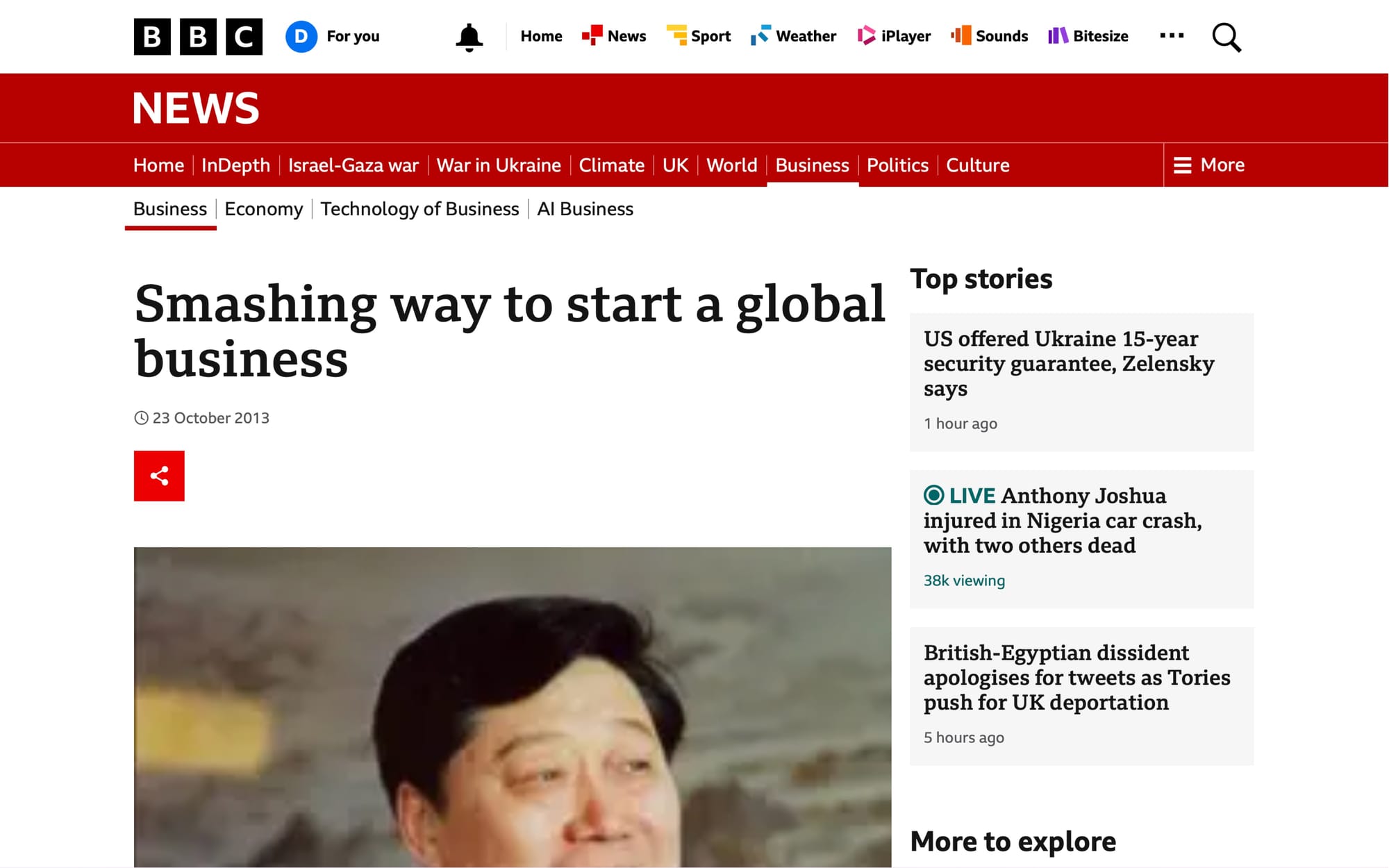
In the 80s, Chinese manufacturing was often volume-focused (Production Era). Haier (then Qingdao Refrigerator Plant) had a high defect rate. CEO Zhang Ruimin didn't just try to sell the defective fridges at a discount (Selling Era thinking). He lined up 76 defective fridges and ordered his employees to smash them with sledgehammers.
It sent a shockwave through the company. It signalled that customer value was now the only metric that mattered. If the customer wouldn't be happy, the product shouldn't exist.
The Societal Marketing Era (2000s - Present)
The Era of "Doing Well by Doing Good" As we entered the new millennium, a new realisation hit: You can satisfy the customer’s immediate needs (Marketing Era) but still harm them (or society) in the long run. The philosophy shifted: "We must deliver value to the customer and society."
Customers began to vote with their wallets, judging brands not just on product quality, but on ethics, sustainability, and social impact. If you maximise profit but destroy the environment, the modern market will punish you.
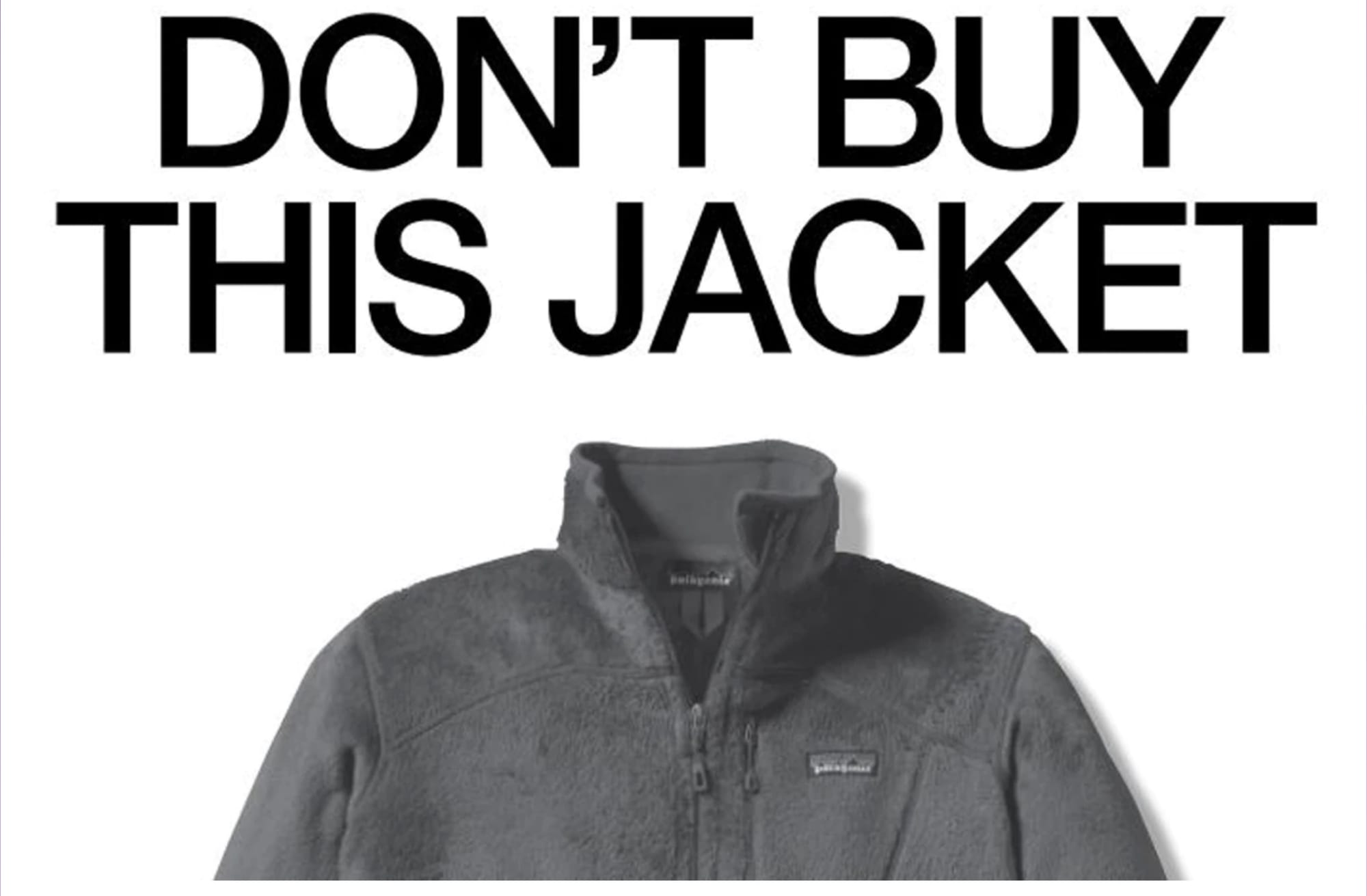
Patagonia and their famous "Don't Buy This Jacket" campaign was the antithesis of the Selling Era. By asking customers to consume less, they built immense trust and brand equity.
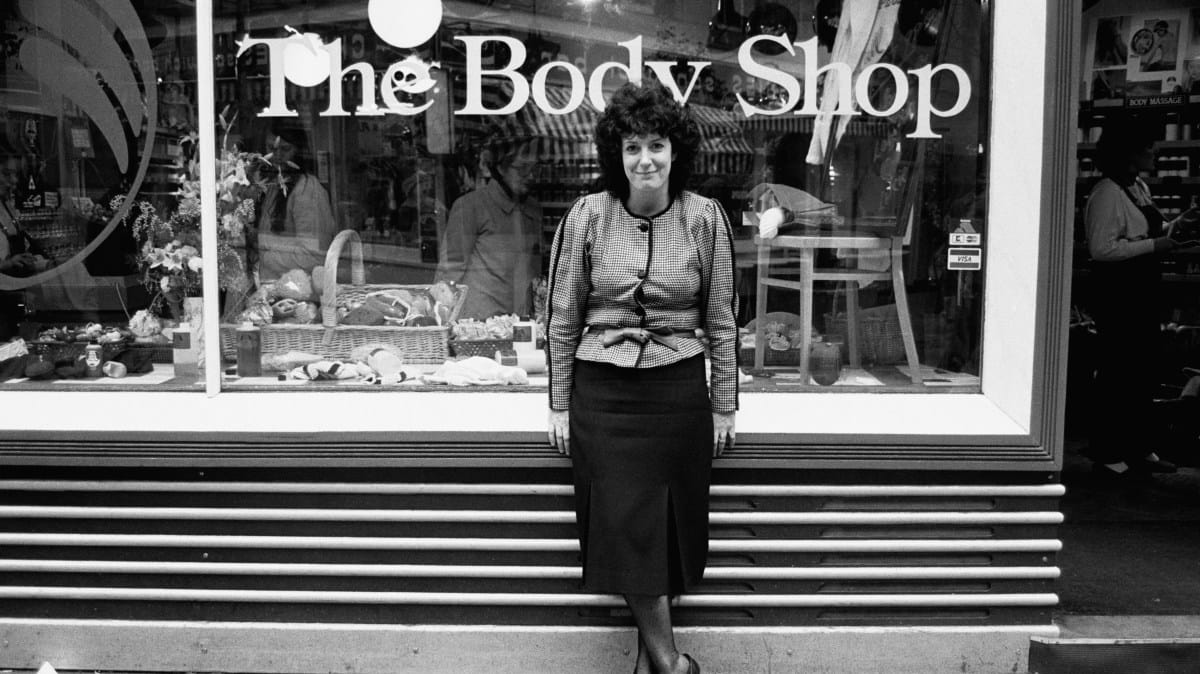
Anita Roddick (The Body Shop) proved that business could be a force for good, focusing on ethical sourcing long before it was a buzzword.
The Internal Paradox: While brands were projecting 'Societal' values outwardly, internally they were under immense pressure to prove the math. In 2004, a cross-industry group formed the Boardroom Project to demand that marketing be treated as a verifiable financial investment, not just a creative expense.
This helps explain why some corporate ethics feel performative. The shift to 'doing good' wasn't always altruistic; it was often driven by a new mandate for 'Marketing Accountability'. Companies realised that 'ethical' customers were more profitable assets to hold in their investment portfolio.[1]
The Digital & Data Era (2010s - Future)
The Era of "We Know What You Want Before You Do" This brings us to the present day. Marketing has evolved to incorporate Relationship Marketing and Digital Ecosystems.
Initially, this seemed purely positive. Companies like Amazon and Apple created seamless ecosystems that encouraged long-term loyalty. Marketing became about creating a personalised experience. Digital tools allowed companies to track preferences and adjust strategies in real-time to delight the user.
The Darker Turn: The Surveillance Economy[2].
There is a cynical undercurrent to this era that critical thinkers must analyse. We have moved from "serving the customer" to "consuming the consumer." In the Digital Era, the customer is no longer just the King; they are the Resource. "Data is the new oil." and through Surveillance Capitalism, every click, pause, and search is harvested. The "personalisation" we enjoy is paid for by the complete loss of privacy. We are seeing a shift where companies don't just fulfil desires—they predict and manipulate them using algorithmic nudges. As the saying goes in the tech world: "If the product is free, you are the product."
However, there is a second, often overlooked risk: Systemic Incompetence.
Research by Arun Elias (2022)[3] highlights the 'Dark Side' of this data obsession. He found that companies often fall into a 'Data Proliferation Trap.' They hoard more consumer data than they can process, leading to 'Capacity Constraints'and 'Predictive Failures.'
Instead of knowing what you want, the algorithms often get it wrong—stereotyping you based on incomplete data points. Worse, managers often cherry-pick this data to confirm their own biases rather than listening to the customer. We aren't just being surveilled; we are often being misunderstood and manipulated by broken algorithms.
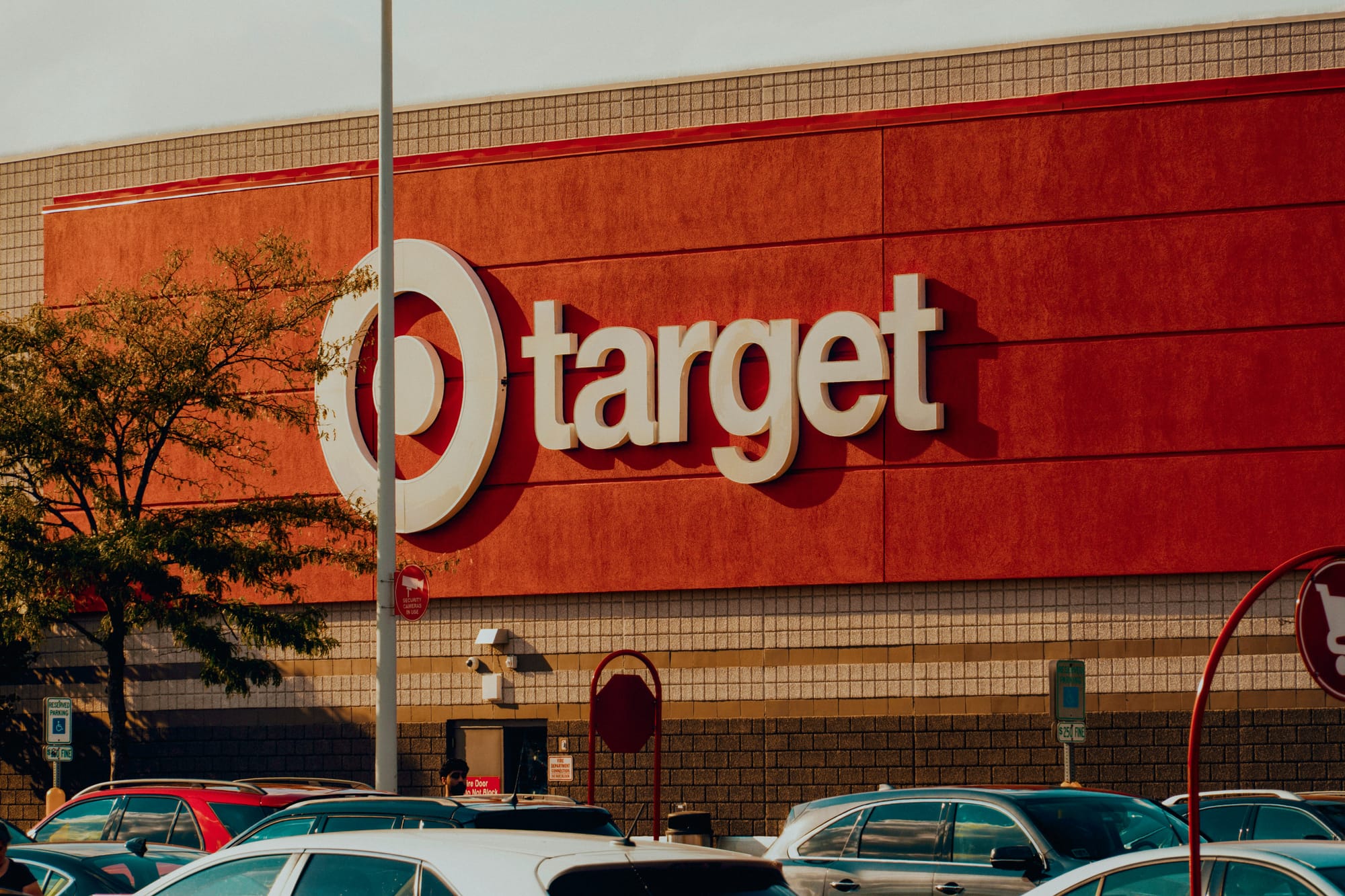
The famous case where Target’s analytics could identify a customer was pregnant (based on her switch to unscented lotions) and sent her baby coupons before she had even told her family. This is the fine line between "helpful marketing" and "intrusive surveillance."
TikTok / Douyin Algorithms don’t ask what you want; they analyse your subconscious micro-interactions to feed you content that keeps you addicted. It is the ultimate efficiency of the Digital Era, removing the friction of choice entirely.
The Machinery Behind the Surveillance: This shift didn't happen by magic. Academic history traces it back to the 'Resource-Conscious View', which viewed the customer explicitly as a unit of profitability to be maximised. This view was triggered by two specific technological breakthroughs: the ability to store massive amounts of behavioral data, and the ability to capture data at the individual level rather than the segment level.
Today, this has evolved into what scholars[1] call the 'Integrative Approach', where the goal is 'Customer Engagement'. Companies like TikTok aren't just selling to you; they are tracking your 'influence value'—how much you refer, share, and engage. They don't just want your money; they want your network.
Why Most Businesses Are Stuck
Looking at these 6 eras, you can see the trap. Most struggling businesses today are essentially using Selling Era tactics (aggressive ads, spam emails) in a Societal / Digital Era. They are trying to shout at customers who expect to be listened to, understood, and respected.
But why is this happening? It is not just laziness; it is systemic pressure.
1. The Financial Pressure (The "Investment" Trap) As V. Kumar notes, we have moved into an era where marketing is no longer seen as a creative service, but as a financial investment. Companies are under immense pressure from their boardrooms to treat customers not as humans, but as financial assets to be optimised for "Customer Lifetime Value". This pressure to squeeze every dollar out of the "asset" often forces marketers back into aggressive Selling Era tactics, even if they know better.
2. The Data Trap (The "Dark Side" of Digital) Even when businesses try to modernise, they often fail. Research by Arun Elias (2022) highlights a phenomenon called "Data Proliferation". Companies hoard massive amounts of consumer data thinking it will solve their problems, but they hit "Capacity Constraints"—they simply cannot handle what they collect.
Instead of "knowing what you want," their overwhelmed systems lead to "Predictive Failures", sending you irrelevant offers or intruding on your privacy because the algorithm guessed wrong. They end up confirming the customer's worst fears: that the business is both intrusive and incompetent.
The Way Out Applying these frameworks is complex. Success today requires a truly "Integrative Approach". You must balance the financial accountability your shareholders demand with the ethical engagement your customers deserve. If you lean too far into the math, you lose the human.
Footnotes
[1] Kumar, V. (2015). Evolution of Marketing as a Discipline: What Has Happened and What to Look Out For. Journal of Marketing, 79(1), 1-9. https://doi.org/10.1509/jm.79.1.1 (Original work published 2015)
[2] Take a look at Zuboff, S. (2019) The Age of Surveillance Capitalism: The Fight for a Human Future at the New Frontier of Power: Barack Obama’s Books of 2019. Profile Books. WARNING... it's a very long read and takes some time unravelling the writing style but the information contained within is worth the effort. This is a seminal text (listed as one of Barack Obama’s favorite books of 2019). Harvard Professor Shoshana Zuboff argues that we have entered a new economic era where human experience is no longer personal but is claimed as "free raw material" for data extraction. Zuboff coins the term "behavioral surplus"—data that goes beyond service improvement and is instead used to predict, manipulate, and modify our future behavior for profit. She warns that this "instrumentarian power" threatens individual autonomy and democracy by creating a society where companies know everything about us, but we know almost nothing about them.
[3] Arun A. Elias (2022): The ‘dark side’ of data–driven marketing: a system’s thinking analysis, Journal of Strategic Marketing, DOI: 10.1080/0965254X.2022.2105741
Join our newsletter
We share our insights on Marketing, Education, and anything else that takes our fancy. No spam. Unsubscribe anytime.
No spam. Unsubscribe anytime.