5 Marketing Dissertation Topics for 2026 (That Your Supervisor May Actually Approve)
Most dissertation proposals are rejected because they lack scope, not potential. Discover five distinction-grade Marketing dissertation topics for 2026 that hit the 'Golden Triad' of Currency, Criticality, and Focus—from the rise of AI Agents to the psychology of 'De-Influencing'.

The "Scope" Trap
The hardest part of your Master's degree isn't the writing—it’s the proposal. Every year, I see talented students lose marks (or have their proposals rejected outright) not because their ideas are bad, but because they are too broad.
"Digital Marketing in 2026" is not a topic; it’s a textbook.
"How Facebook helps small businesses" is not a dissertation; it’s a blog post from 2014.
To get a Distinction (70+%) in a UK university, your topic needs to hit the "Golden Triad".
- Currency: Is it happening right now?
- Criticality: Is there a debate? (If everyone agrees, there is nothing to research).
- Focus: Is it specific enough to measure?
Here are five dissertation ideas for 2026 that in my view, hit all three criteria, complete with the academic theories you’ll need to back them up.
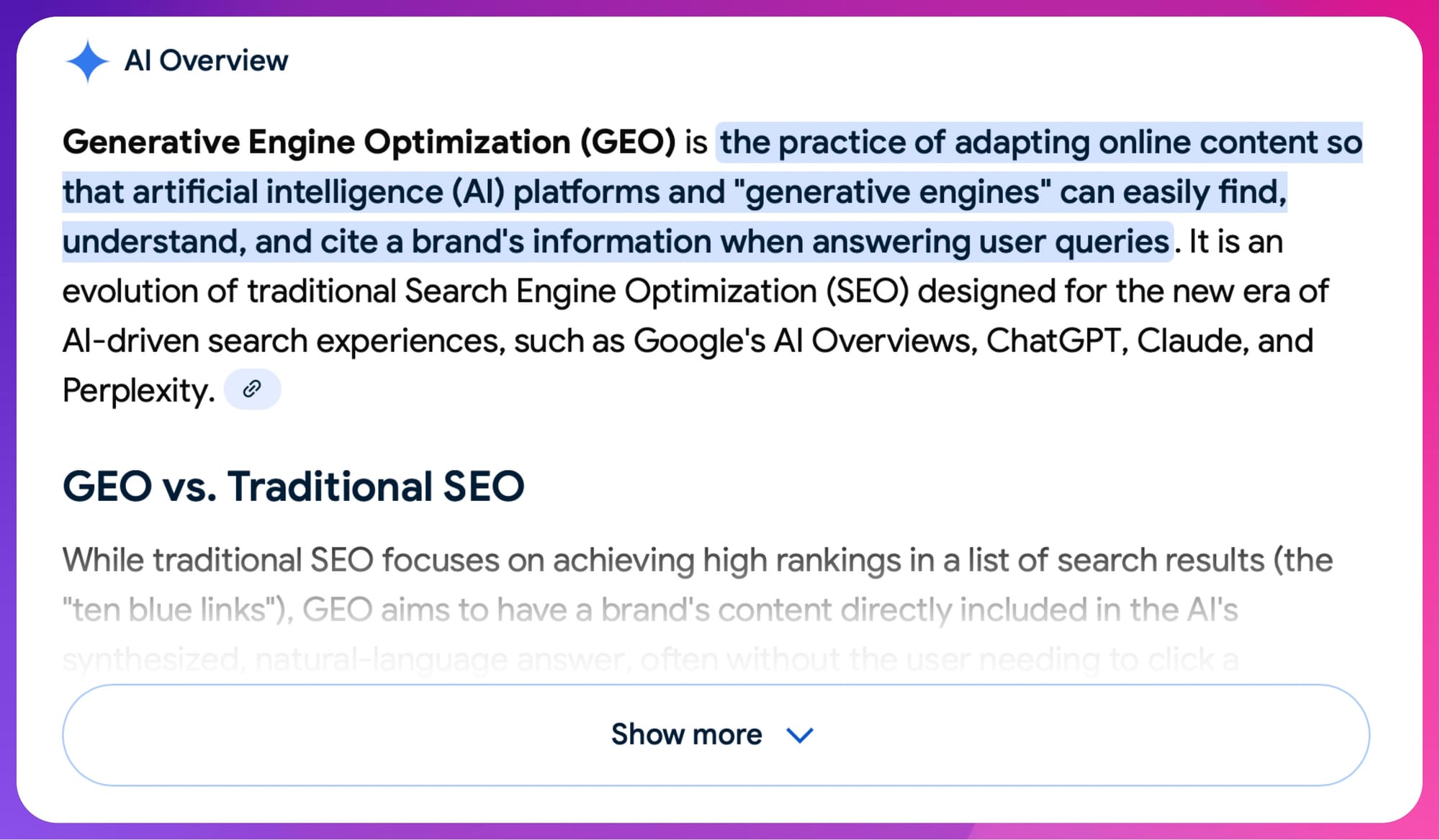
1. The Rise of "Generative Engine Optimization" (GEO)
We all know of SEO (Search Engine Optimization). But 2026 is the year of GEO. With the integration of AI Overviews in Google and the rise of ChatGPT/Gemini as primary search tools, consumers are skipping traditional websites entirely. They are getting answers directly from the chatbot.
This breaks the traditional "Search -> Click -> Buy" funnel.
- Suggested Title: From Search to Chat: A comparative analysis of consumer trust in AI-generated product recommendations vs. traditional Search Engine Results Pages (SERPs).
- Why it works: It tackles a brand-new technology but applies classic marketing theories of Trust and Decision Making.
- The Academic Angle: Look at the Technology Acceptance Model (TAM) or Source Credibility Theory. Do consumers trust a "machine" recommendation more than a "human" review?
Join our Free Newsletter
We share our insights on Marketing, Education, and anything else that takes our fancy. No spam. Unsubscribe anytime.
No spam. Unsubscribe anytime.
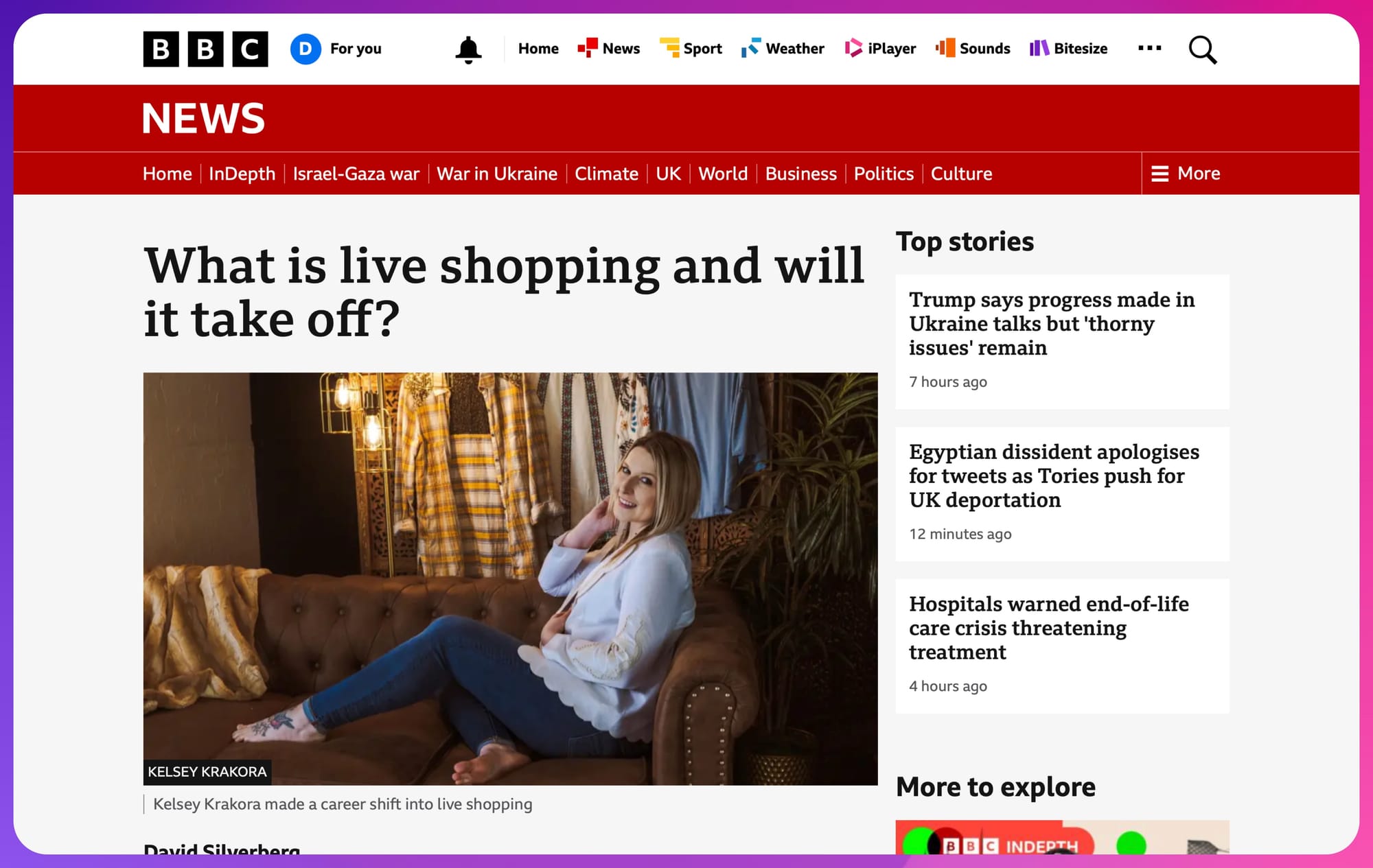
2. Social Commerce: The UK vs. China Gap
If you are an international student, this is your superpower. Use your cultural knowledge.
China’s "Live Shopping" market (on Douyin/Taobao) is mature, sophisticated, and generates billions. Meanwhile, the UK's TikTok Shop is still struggling with trust issues, "spammy" content, and low adoption rates. Why the difference?
- Suggested Title: Barriers to Adoption in Western Social Commerce: Why UK consumers resist the 'Livestream Shopping' model compared to Chinese Gen-Z.
- Why it works: Comparative studies are gold dust for academic markers. They demonstrate deep critical thinking and allow you to bring in cultural frameworks.
- The Academic Angle: Use Hofstede’s Cultural Dimensions (specifically Uncertainty Avoidance or Long-Term Orientation) to explain the divergence in behavior.
Why not start with...
Ki, C.W.C., Chenn, A., Chong, S.M. and Cho, E., 2024. Is livestream shopping conceptually new? A comparative literature review of livestream shopping and TV home shopping research. Journal of Business Research, 174, p.114504. https://doi.org/10.1016/j.jbusres.2024.114504
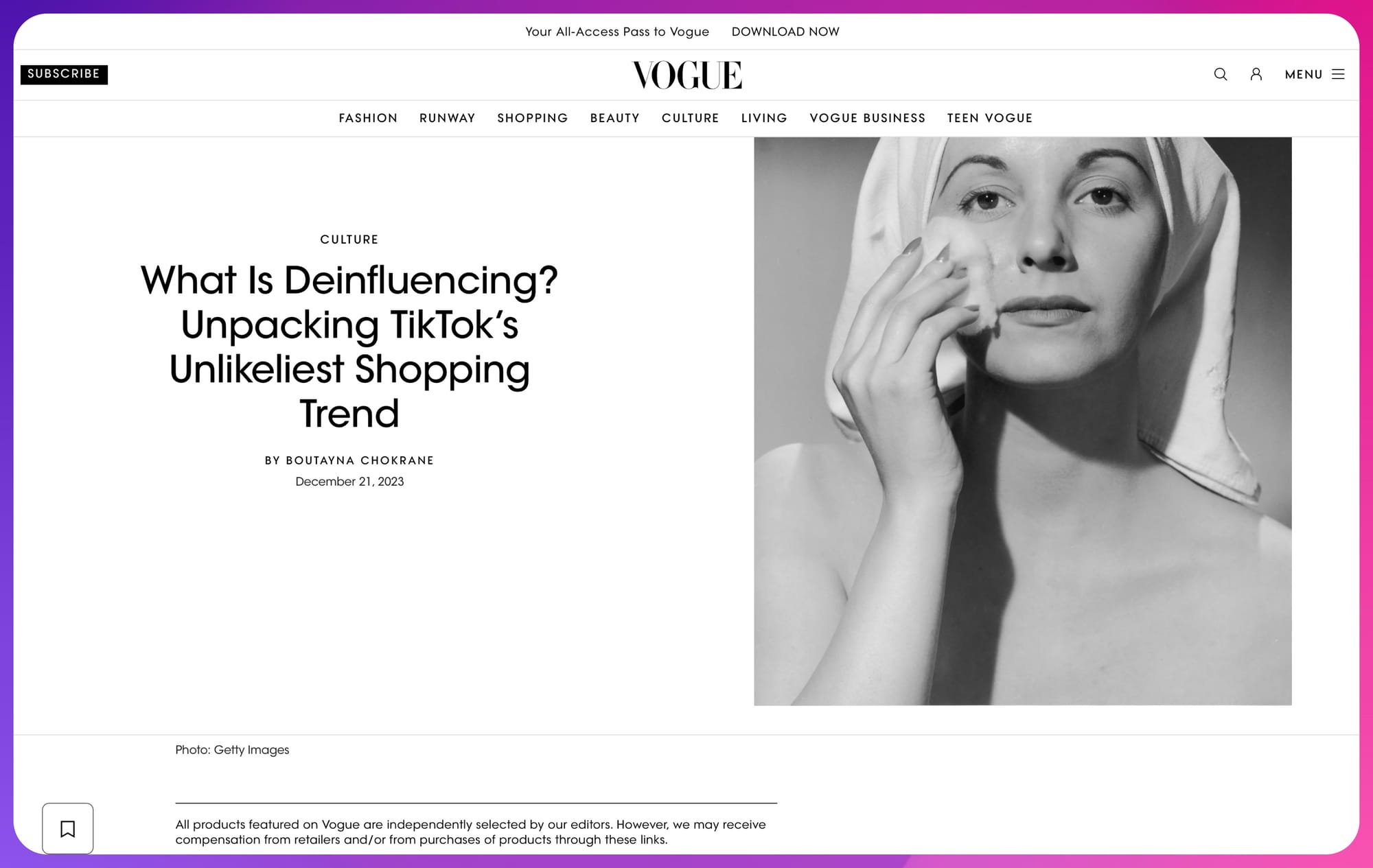
3. "De-Influencing" and Sustainability
The trend has shifted. Influencers used to say "Buy this!" Now, a growing movement of "De-Influencers" is going viral by saying "Don't buy this!"
This isn't just a trend; it's a reaction to the Cost of Living crisis and over-consumption. It offers a fascinating look into sustainability and consumer cynicism.
- Suggested Title: The Impact of the 'De-Influencing' trend on Brand Equity for UK Fast Fashion Retailers.
- Why it works: It connects a modern social media trend with the rock-solid academic concept of Brand Equity(using Aaker or Keller’s models).
- The Academic Angle: Explore the Persuasion Knowledge Model (PKM). Are consumers "de-influencing" because they care about the planet, or because they just don't trust the influencer anymore?
Why not start with...
Tran, G.A., Aboulnasr, K. and Song, Y.S. (2025), The Rise of the Deinfluencers: Perceived Similarity and Anticipated Emotions in Advocating Mindful Consumption on Social Media. Psychology & Marketing, 42: 3005-3026. https://doi.org/10.1002/mar.70024

4. AI Agents in B2B Marketing
Most students focus on B2C (Business to Consumer). If you want to stand out, look at B2B (Business to Business).
We are moving beyond "AI content creation" (using ChatGPT to write emails) to "AI Agents"—software that autonomously plans and runs entire campaigns.
- Suggested Title: Automation vs. Authenticity: The effectiveness of AI Agents in B2B lead generation for UK SMEs.
- Why it works: It is highly practical. If you want a job in B2B marketing after graduation, this dissertation serves as a perfect portfolio piece to show employers you understand the cutting edge of tech.
- The Academic Angle: Focus on Relationship Marketing. Can an AI build a "relationship"? Or does automation destroy the "personal touch" required in B2B sales?
Why not start with...
Mikalef, P. et al. (2023) Artificial intelligence (AI) competencies for organizational performance: A B2B marketing capabilities perspective. Journal of Business Research, 164, 113998. https://doi.org/10.1016/j.jbusres.2023.113998
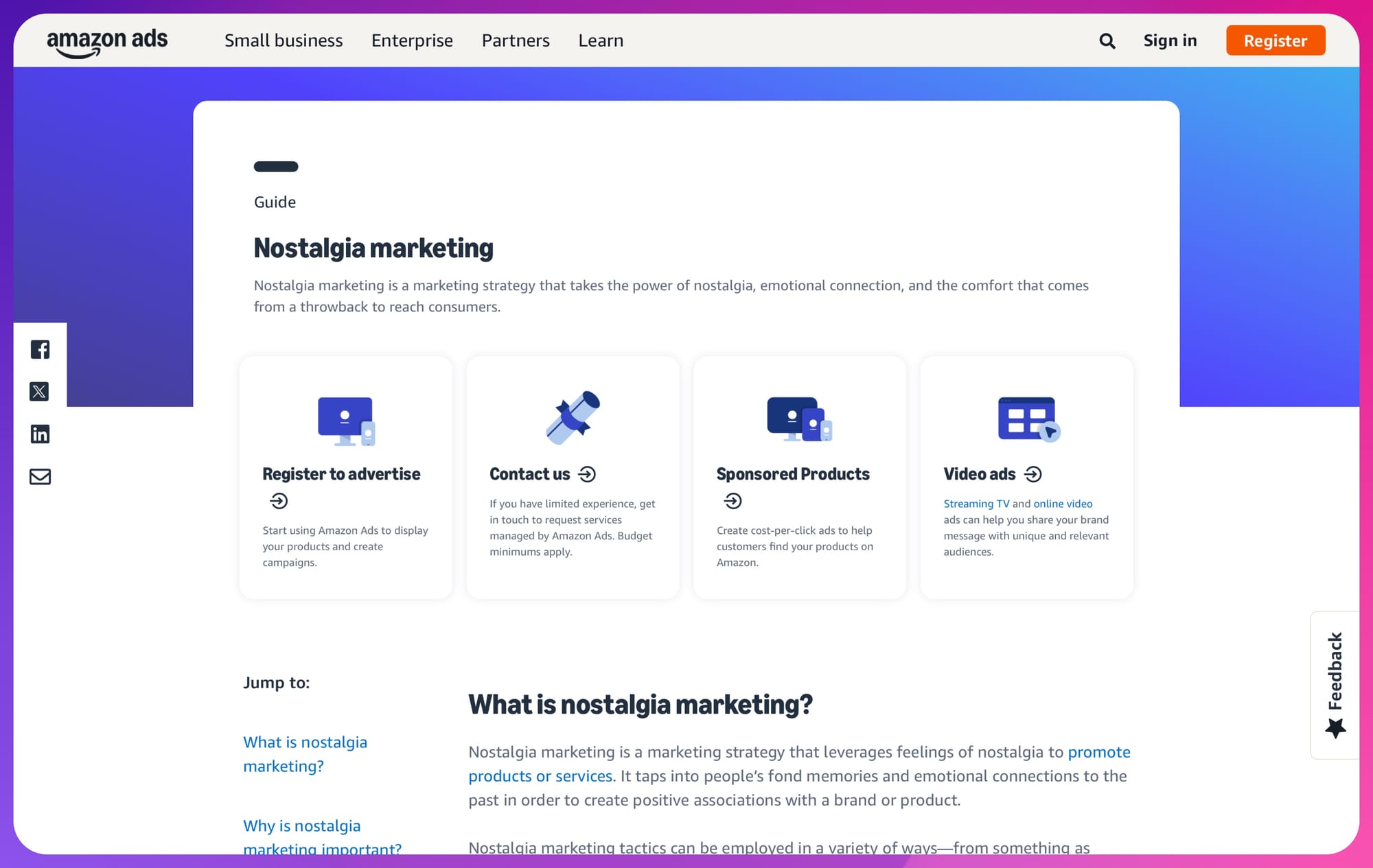
5. Nostalgia Marketing in a Cost of Living Crisis
When the economy tightens and the future looks scary, consumers look backward to "simpler times."
This is why we see a resurgence of Y2K fashion, vinyl records, and "retro" branding. Nostalgia is a coping mechanism, and smart brands are monetizing it.
- Suggested Title: Comfort in the Past: The role of Nostalgia Marketing in reducing price sensitivity during economic downturns.
- Why it works: It links Psychology (coping mechanisms) with Economics (price sensitivity), creating a sophisticated, multi-layered argument.
- The Academic Angle: Look at Nostalgia Theory and Price Elasticity of Demand. Does a "retro" emotional connection make people care less about the price tag?
Why not start with ...
Mukhopadhyay, M. (2024). Nostalgia marketing - a systematic literature review and future directions. Journal of Marketing Communications, 1–21. https://doi.org/10.1080/13527266.2024.2306551
From Idea to Proposal
Picking the topic is only the start. A topic isn't a dissertation.
To get that approval signature, you need to turn one of these ideas into a structured proposal with:
- Clear Research Objectives.
- A Justified Methodology (Qualitative interviews? Quantitative survey?).
- A Conceptual Framework.
If you are staring at a blank page—or worse, if you’ve just had a proposal rejected—don't panic. Rather than leaving you with a list of ideas and wishing you luck, I want to show you exactly how I would tackle these if I were writing my dissertation in 2026.
To help you move from a vague idea to a concrete plan, I am launching a 5-part deep series. Over the coming weeks, I will be "open sourcing" the planning process for each of the topics above, building a specific "Proposal Blueprint" that includes:
- Refined Research Questions (to satisfy the "Focus" requirement).
- The Perfect Methodology (deciding between Qualitative vs. Quantitative).
- The "Must-Have" Literature (applying models like TAM or Hofstede).
First up: We tackle the "Trust" gap in Generative Engine Optimization.
Was this helpful?
Join our newsletter
We share our insights on Marketing, Education, and anything else that takes our fancy. No spam. Unsubscribe anytime.
No spam. Unsubscribe anytime.